
Design a Reliable Mobile Solar System in 1 Weekend — the DIY Blueprint for RVs, Vans, Boats, and Tiny Homes

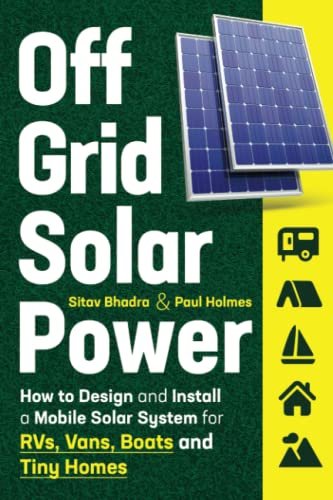
Build a mobile solar setup that fits your power needs in 1 weekend
This DIY guide walks you through sizing, planning, and installing a system for RVs, vans, boats, and tiny homes—so you can skip the trial-and-error that costs most beginners time and money.

😤 Sound Familiar?
😫 “I’ve read three different solar opinions and I still don’t know what size system I need.” Within 5 minutes, I’m lost in watts, amps, battery types, and inverter math—and every wrong guess feels expensive before I’ve bought a single part.
😰 “I don’t want to spend money twice because I picked parts that don’t work together.” That’s the part that really gets me: one bad sizing decision can turn into weak charging, dead batteries, or a setup I have to rebuild later.
🤯 “I want reliable power, but I don’t have time to become a solar technician first.” I just want a clear plan I can follow without second-guessing every wire, fuse, and component choice.
😤 “My trip is getting closer, and I’m still stuck comparing tabs instead of building anything.” The longer I wait, the more I risk rushing the purchase, overbuying parts, or staying dependent on hookups longer than I want.
✨ How It Works
How this DIY solar guide works in 3 simple steps
Step 1: Figure out what you actually use
You start with your real travel habits and appliances, not a guess. That helps you size the system around your daily power needs instead of copying someone else’s setup.
Step 2: Match the design to your space
The guide helps you adapt the system for an RV, van, boat, or tiny home so it fits the space you have and the way you move. No one-size-fits-all advice, just a practical layout you can use.
Step 3: Follow a clear wiring path
Instead of vague “just connect it” instructions, you get a step-by-step flow for putting the parts together safely and logically. That makes the install feel manageable instead of risky.

🎯 Why It's Worth It
What changes when you use a real mobile solar plan
You stop planning your life around outlets
Instead of chasing shore power, campsite hookups, or marina plugs, you get more freedom to stay where you actually want to be. That means fewer compromises and more independence on the road or water.
Micro-proof: This guide is tailored to mobile living use cases—RVs, vans, boats, and tiny homes—so the advice is built for travel setups, not generic house solar.
You reduce the chance of expensive beginner mistakes
A clear design process helps you avoid the most common DIY errors: undersized batteries, mismatched components, and buying hardware before you understand the load. That can save far more than the price of the guide.
Micro-proof: At $18.99, this is a low-cost planning step compared with replacing one wrong component or paying for a rushed correction later.
You feel confident enough to actually start
When the plan is clear, the project stops feeling like a mystery. That confidence is what turns “someday” into a real install date.
Micro-proof: The guide is sold on Amazon, which gives you a familiar checkout experience, delivery tracking, and an easier return process if it’s not the right fit.
❓ Frequently Asked Questions
Is $18.99 worth it for a solar guide?
If this helps you avoid one wrong purchase, it probably is. In DIY solar, the expensive part is usually the mistake, not the guide.
What if there are no reviews yet?
That’s a fair concern. With no reviews, you don’t have crowd proof, so the best way to judge it is by whether the topic, layout, and level of detail match what you actually need.
Do I still need this if I’ve watched free videos?
Maybe not if you already know how to size, wire, and install a mobile system. But if your info is scattered and you keep second-guessing yourself, one organized guide can save a lot of time.
How is this different from hiring an installer or buying a kit?
Hiring an installer is easier, but it costs more. A kit can be convenient, but it may not fit your exact space or power needs. This is for people who want flexibility and control.
What if it’s not the right fit for me?
If you buy through Amazon, you’ll usually have a standard return window, which lowers the risk. That said, it’s still worth checking the current return policy on the product page before you buy.
🛡️ Amazon checkout and return policies make this a relatively low-risk way to evaluate whether the guide fits your project.
✓ Built for RVs, vans, boats, and tiny homes ✓ DIY-friendly structure ✓ Low-cost planning before expensive hardware