
How to Turn 1 Awkward Space Into Seamless Storage: A Practical Guide to Custom Built-Ins

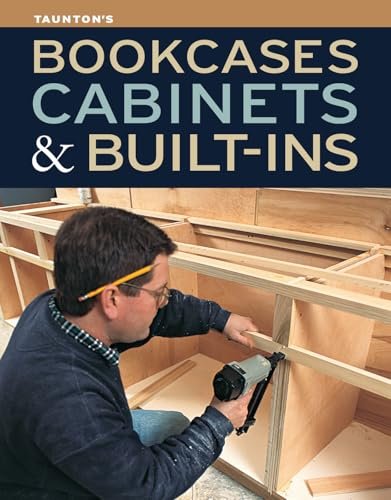
Turn 1 awkward nook into built-in storage that looks intentional.
This guide shows you how to plan bookcases, cabinets, and built-ins for weird walls, dead corners, and narrow gaps—without guessing your way through measurements, materials, or layout.

😤 Sound Familiar?
😤 “I keep looking at that weird gap and it makes the whole room feel unfinished.” It’s not just a blank spot. It’s the kind of awkward space that pulls your eye every time you walk in, and no amount of rearranging seems to fix it.
😫 “I don’t want a storage solution that looks like an afterthought.” Off-the-shelf shelves and random bins can solve clutter in theory, but in real life they often make the room feel busier, cheaper, and more patched together.
🤯 “I can picture the finished look, but I don’t know how to get there.” The hard part isn’t wanting custom storage. It’s translating a good idea into measurements, proportions, and decisions that actually work in your space.
😰 “I just want this room to feel done.” Every unresolved corner becomes one more thing I notice, one more reminder that the space still isn’t working for me. I don’t need more inspiration—I need a path forward.
✨ How It Works
How custom storage planning works in 3 simple steps
Step 1: Measure the space you actually have
Start with the real dimensions, outlets, trim, vents, and odd angles in the room. That keeps the design grounded in what exists instead of forcing a standard piece into a bad fit.
Step 2: Decide what the storage needs to do
Next, map the space to your daily life: what needs to be hidden, displayed, reached often, or kept out of the way. That makes the project feel less overwhelming and more like a clear plan.
Step 3: Shape it so it looks built in on purpose
The final step is turning a practical layout into something that feels finished, balanced, and intentional—so the room looks designed, not improvised.

🎯 Why It's Worth It
What changes when the storage finally fits
Your room stops looking like a compromise
When storage is tailored to the room, the awkward spot stops shouting for attention. The space feels calmer, more polished, and more like it was planned from the beginning.
Proof: This is a niche guide with a focused use case, which can be helpful if you want ideas for a specific awkward space instead of generic home decor advice.
You get a plan instead of a pile of screenshots
Most people don’t need another folder of inspiration—they need a way to move from “I like this” to “I can actually build or buy something close to this.” A clear guide can reduce second-guessing and help you make decisions faster.
Proof: At $15.76, it’s a small upfront cost compared with the time and money you can waste on the wrong shelf, filler piece, or custom quote.
Your home feels easier to live with
Good storage doesn’t just look better; it makes daily life smoother. When everything has a place, you spend less time moving clutter around and more time using the room the way you wanted to in the first place.
Proof: If you’re considering a bigger custom build later, a guide like this can help you think through layout and priorities before you spend on materials or labor.
❓ Frequently Asked Questions
Is $15.76 really worth it?
If you’re trying to solve one awkward storage problem, it’s a pretty small test. One useful idea can save you from buying the wrong shelf, cabinet, or filler piece.
But is the quality actually good if there are no reviews?
There’s no crowd feedback yet, so you won’t get social proof from reviews. If that makes you cautious, fair enough. The upside is that you can judge the guide on whether the approach feels useful for your space.
Do I really need a guide for built-ins?
If you already know how to measure, plan around odd dimensions, and choose proportions confidently, probably not. But if you’ve ever stared at a weird nook and thought, “I have no idea where to start,” a guide can save a lot of trial and error.
Is this better than just browsing Pinterest or buying a ready-made cabinet?
Pinterest is great for ideas, but it won’t tell you what works in your exact space. Ready-made cabinets are convenient, but they often leave gaps or feel awkward. This sits in the middle: more practical than inspiration, more tailored than off-the-shelf.
What if it doesn’t work for me?
That’s the nice part of buying through Amazon: if it isn’t a fit, you can usually return it through the standard return process within the return window.
🛡️ Backed by Amazon’s standard return process and return window, so you can check whether it fits your needs without overcommitting.
✓ Low-cost discovery pick ✓ Transparent Amazon checkout ✓ Standard return window may apply