
How to Turn Less Than 400 Square Feet into a Beachfront-Ready Home That Feels Open, Calm, and Actually Livable

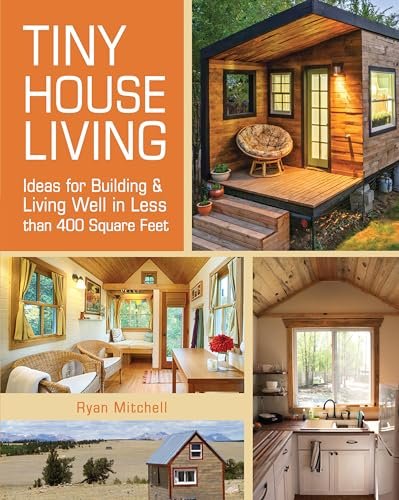
Make a under-400-sq-ft coastal home feel open, calm, and livable in 3 design moves
If you’re trying to make a beachfront tiny house work in real life—not just in photos—this guide helps you avoid cramped layouts, clutter traps, and “cute but not usable” mistakes.

😤 Sound Familiar?
😫 “I can already tell this will feel cramped if I get the layout wrong.” When you’re working with less than 400 square feet, every inch matters. A bad furniture choice, a blocked walkway, or too many decorative pieces can make the whole space feel tighter than it should.
😤 “I want coastal, not kitschy.” You’re not trying to build a beach-themed souvenir shop. You want a space that feels light, calm, and grown-up enough to live in every day without looking overdone.
🤯 “Why do tiny house ideas always sound easier than they are?” Open shelving, fold-down tables, and storage hacks can look clever online, but in a real home they can add visual noise fast. If you’ve ever thought, “This looks nice, but where would I actually put my stuff?” you’re asking the right question.
😰 “What if I spend money and still hate how it feels?” That’s the real fear: not just wasting money, but ending up with a space that feels busy, awkward, or hard to maintain. You want a layout and design plan that makes mornings easier, cleanup faster, and the whole home feel calmer the second you walk in.
✨ How It Works
How tiny coastal living works in 3 simple steps
Step 1: Design around your daily routine first
Before buying furniture, decide what the space must do every day: sleep, cook, work, relax, and store essentials. That keeps you from filling the room with pieces that look good but make life harder.
Step 2: Use coastal design to create visual breathing room
Light colors, natural textures, and fewer competing materials help a small room feel calmer and more open. The goal isn’t “more decor.” It’s fewer distractions and better flow.
Step 3: Choose comfort you can live with on a normal Tuesday
The guide focuses on real-world livability, not just styled inspiration. That means thinking through movement, storage, and everyday use so the home feels good after the novelty wears off.

🎯 Why It's Worth It
What changes when the space is planned well
Your tiny home feels intentional instead of cramped
When every area has a clear purpose, the room stops fighting you. You spend less time rearranging things and more time actually enjoying the space.
Proof: This guide is built specifically for tiny house living under 400 square feet, so the advice stays focused on small-space decisions instead of generic home decor.
You get a coastal look that feels relaxed instead of cluttered
Beachfront style works best when it’s simple, airy, and restrained. That gives you the calm feeling you want without turning the home into a storage problem or a decor overload.
Proof: The current Amazon listing shows a 0/5 rating with 0 reviews, so the safest way to judge it is by the topic fit and whether the approach matches your project.
You reduce expensive guesswork before you commit
In a tiny home, one bad decision can affect the whole layout. A clear framework helps you avoid buying the wrong pieces, overdecorating, or creating a room that feels smaller than it needs to.
Proof: At $28.32, it only makes sense if it helps you avoid even one costly mistake or saves you hours of trial-and-error.
❓ Frequently Asked Questions
Is $28.32 too much for a tiny house book?
It depends on what it helps you avoid. If one layout mistake would cost you time, materials, or a redesign later, the price can be easy to justify. If you only want casual browsing inspiration, it may feel expensive.
With 0 reviews, how do I know it’s any good?
Fair concern. There isn’t crowd proof yet, so you’re deciding based on topic fit and whether the approach seems useful for your project. That makes it a better fit for readers who want a focused guide, not social proof.
Do I really need a book for tiny house ideas?
Not always. If you already have a solid plan, you may not need it. But if you’re stuck between pretty inspiration and practical decisions, a structured guide can help you move forward faster.
How does this compare with free blogs or Pinterest?
Free content is great for collecting ideas, but it’s often scattered. A book can give you one direction to follow instead of a pile of disconnected tips that don’t work together.
What about shipping and returns on Amazon?
Amazon usually makes returns straightforward through your account. If the guide isn’t what you expected, the return process is typically simple, which lowers the risk of trying it.
🛡️ Amazon’s 30-day return policy gives you a straightforward way to send it back if it’s not the right fit.
✓ Amazon checkout ✓ 30-day return window ✓ Easy to evaluate before you commit