
Stop tiny-house regret before you buy: a practical planning guide for 2026 buyers

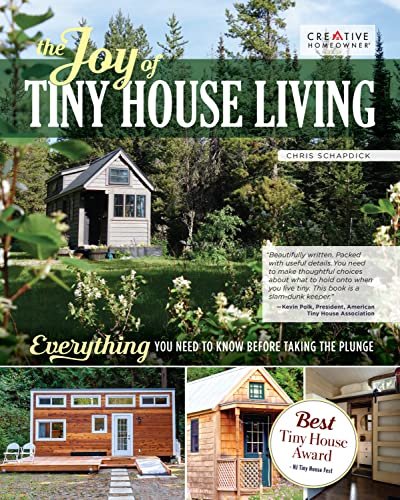
Avoid 7 common tiny-house mistakes before you spend a dollar
This guide helps you pressure-test layout, storage, towing, and lifestyle tradeoffs so you can decide whether a tiny home on wheels actually fits your life.

😤 Sound Familiar?
😫 “I love the tiny-house dream, but I’m scared I’ll choose a layout that annoys me every day.” In photos, everything looks simple. In real life, I still have to cook, work, sleep, store my stuff, and move around without feeling boxed in.
😰 “What if I miss one expensive detail and don’t find out until it’s too late?” That’s the part that keeps people stuck: towing limits, hookups, zoning, insulation, and storage can quietly turn a cute idea into a costly headache.
🤯 “I don’t even know what questions I should be asking.” If you’re new to tiny living, the risks aren’t always obvious. The wrong assumptions can lead to rework, surprise costs, and a home that looks better than it functions.
😤 “I want freedom, not a lifestyle I have to defend.” Tiny living should feel intentional and livable—not like I’m constantly apologizing for a cramped kitchen, missing closet, or guest space that doesn’t really exist.
✨ How It Works
How this tiny-house guide works in 3 practical steps
Step 1: Understand what tiny living changes in daily life
The book starts by grounding the dream in reality, so you can see how space, storage, routines, and mobility actually change once a tiny home stops being a fantasy and becomes a home.
Step 2: Review the details most first-time buyers skip
It walks through the practical questions that matter most: layout, ownership, build considerations, and the day-to-day tradeoffs that can make a tiny home feel either smart or frustrating.
Step 3: Make a decision with fewer surprises
By the end, you should have a clearer framework for deciding whether tiny living fits your budget, your tolerance for compromise, and the way you really live—not just the way you imagine living.
🎯 Why It's Worth It
What changes when you use this guide
You stop designing for aesthetics only and start designing for real life
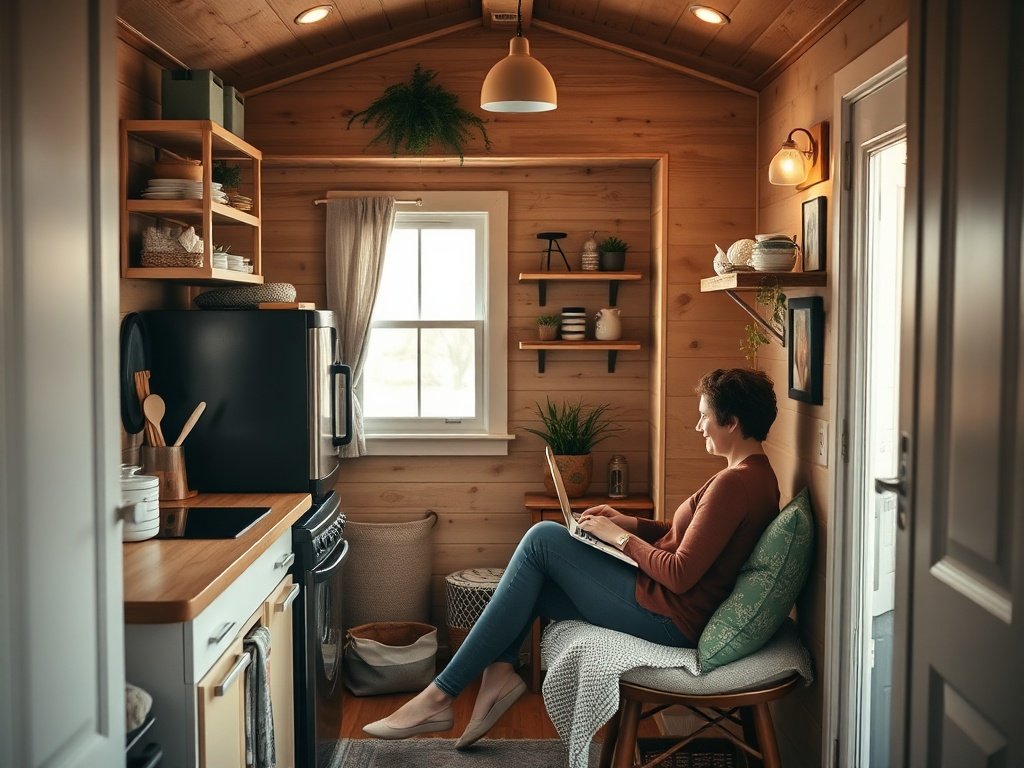
That means your tiny house is more likely to work for cooking, sleeping, working, and storage without feeling like a Pinterest idea that breaks down the moment you move in.
Proof: This is a focused how-to manual about building, owning, and living in a tiny home on wheels—not just an inspiration book.
You get a calmer planning process before the expensive decisions
Instead of guessing your way through the project, you get a practical lens for what to ask, what to budget for, and what to avoid. That can save time, money, and a lot of second-guessing.
Proof: The book is positioned around practical considerations, which is useful if you want a pre-purchase planning reference.
You lower the odds of “I wish I had known that sooner” regret
The real value is emotional as much as practical: fewer surprises, fewer redesigns, and fewer moments where the tiny-house dream starts feeling cramped or expensive.
Proof: Compared with content that only shows pretty interiors, this guide is aimed at the decisions that affect livability and long-term satisfaction.
❓ Frequently Asked Questions
Frequently asked questions
Is $17.64 too much for a tiny house book?
Honestly, not if it helps you avoid one layout or budgeting mistake that costs far more later. For the price of a casual meal, you’re getting a planning resource that may save you from an expensive regret.
But with 0 reviews, how do I know it’s any good?
That’s a fair concern. With no reviews, there isn’t social proof yet, so I’d look at the topic, the depth of the content, and whether you want a practical planning guide more than a hype piece.
Do I really need this if I already watch tiny house videos?
Videos are great for inspiration, but they usually skip the boring decisions that affect daily life. This is more useful if you want to think through what it’s actually like to live in the space.
How is this different from free blog posts or YouTube tours?
Free content can absolutely help, but it’s scattered. A focused manual is easier when you want one place to work through the practical side without juggling a dozen tabs.
What if I need to return it?
If you buy through Amazon, you typically get Amazon’s 30-day return window. You can usually start the return right from your orders page if the book isn’t a fit.
🛡️ Backed by Amazon’s 30-day return policy and a straightforward return process through your account.
Amazon checkout • 30-day returns • practical planning focus