
Build a Camper-Style Tiny Home in 7 Clear Steps: A Practical Guide for First-Time DIY Builders
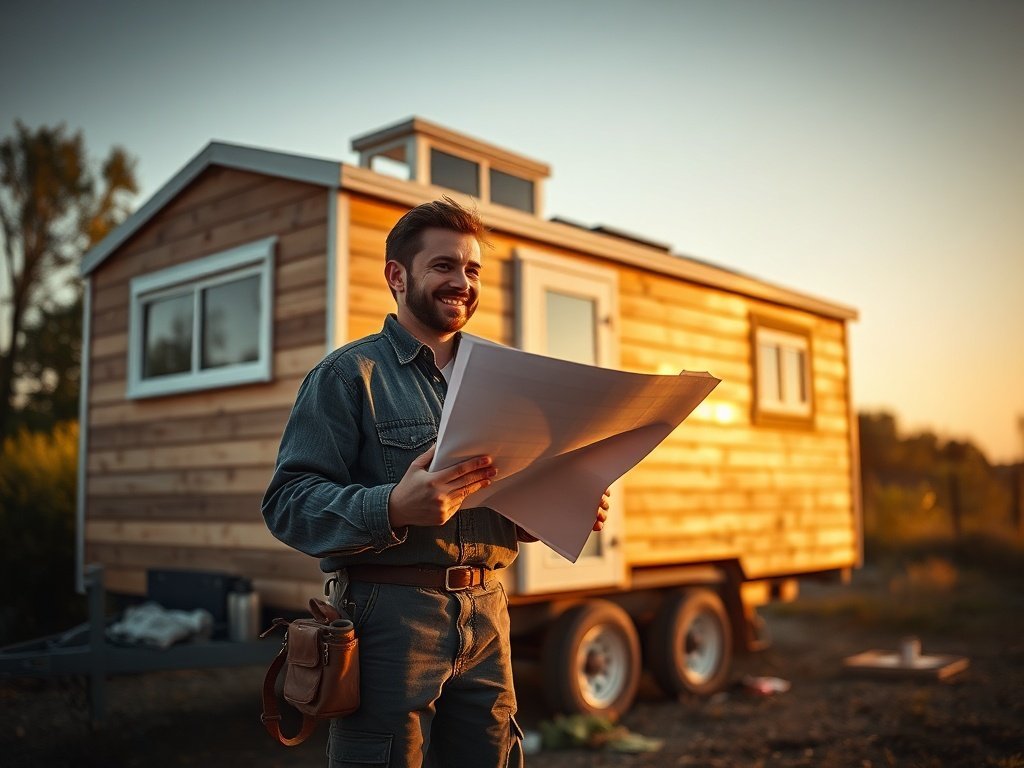
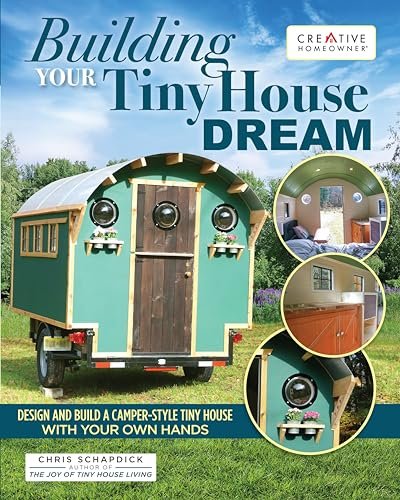
Build a camper-style tiny home in 7 clear steps, even if this is your first DIY project
This guide breaks the process into a simple start-to-finish path so you can stop guessing about framing, layout, and build order—and start making real progress with confidence.
😤 Sound Familiar?
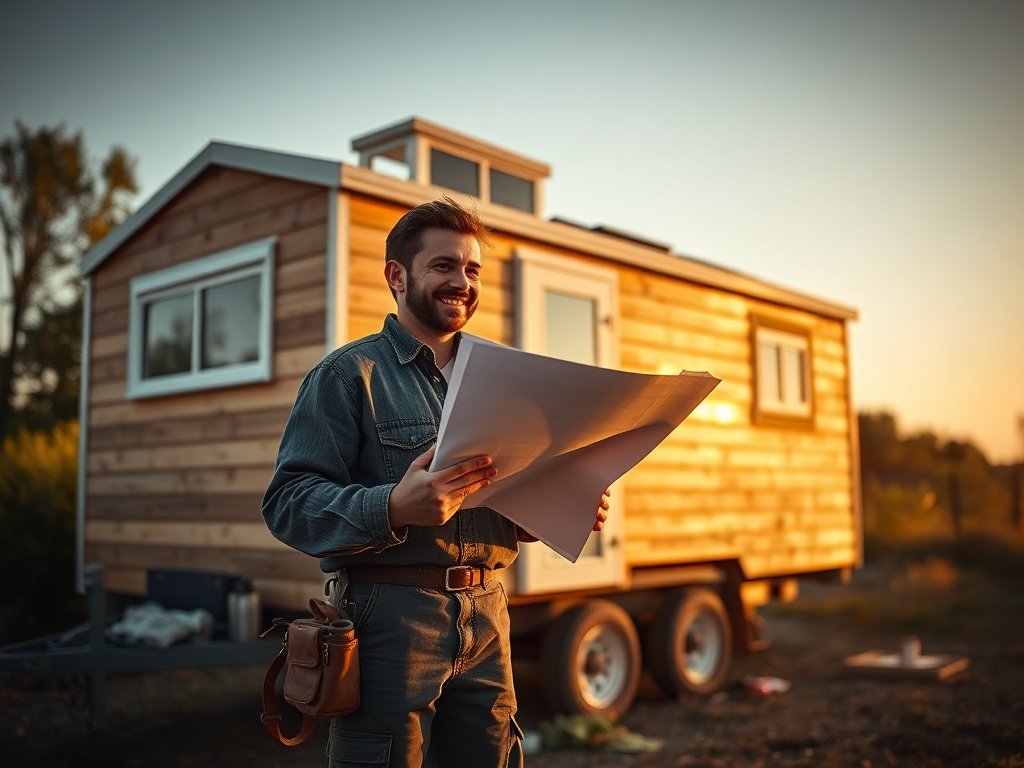
😤 “I keep saving tiny house photos, but I still don’t know what to do first.” That’s the frustrating part: the dream looks simple on Instagram and complicated in real life. One minute you’re imagining a cozy home on wheels, and the next you’re stuck wondering about trailer size, framing order, weight limits, and whether you’re about to make an expensive mistake.
😫 “I don’t want to buy the wrong materials and realize I have to redo everything.” That fear slows you down fast. When every choice affects cost, safety, and the final layout, it’s easy to keep researching instead of building—because one bad decision can feel like it could derail the whole project.
🤯 “Every video says something different, and now I don’t know who to trust.” That’s when the BS detector kicks in. Tiny house advice is everywhere, but a lot of it is scattered, overly glossy, or missing the actual build sequence. You’re not looking for inspiration anymore—you’re looking for a plan you can follow without second-guessing every step.
😰 “I want freedom, but I’m worried this becomes a half-finished project sitting in my driveway for months.” That’s the real hesitation. You don’t just want a tiny home—you want proof that the project is manageable with evenings and weekends, not a life-consuming headache that never gets finished.
✨ How It Works
How this tiny house guide works in 3 practical steps
Step 1: Plan the build before you buy the wrong parts
The guide starts with the big decisions first—layout, structure, and build order—so you can avoid the common DIY mistake of buying materials before you know how they fit together. That means fewer wasted purchases and fewer do-overs.
Step 2: Follow a logical construction path from trailer to finish
Instead of forcing you to piece together random advice from videos and forums, it walks through the build in a sensible sequence: foundation, framing, major systems, and finishing details. That makes each stage easier to understand and easier to tackle on weekends.
Step 3: Turn a pile of decisions into a real camper-style home
When you know what comes next, the project stops feeling vague. You can move from “I hope I can do this” to “I know the next step,” which is often what separates a stalled idea from a finished tiny home.
🎯 Why It's Worth It
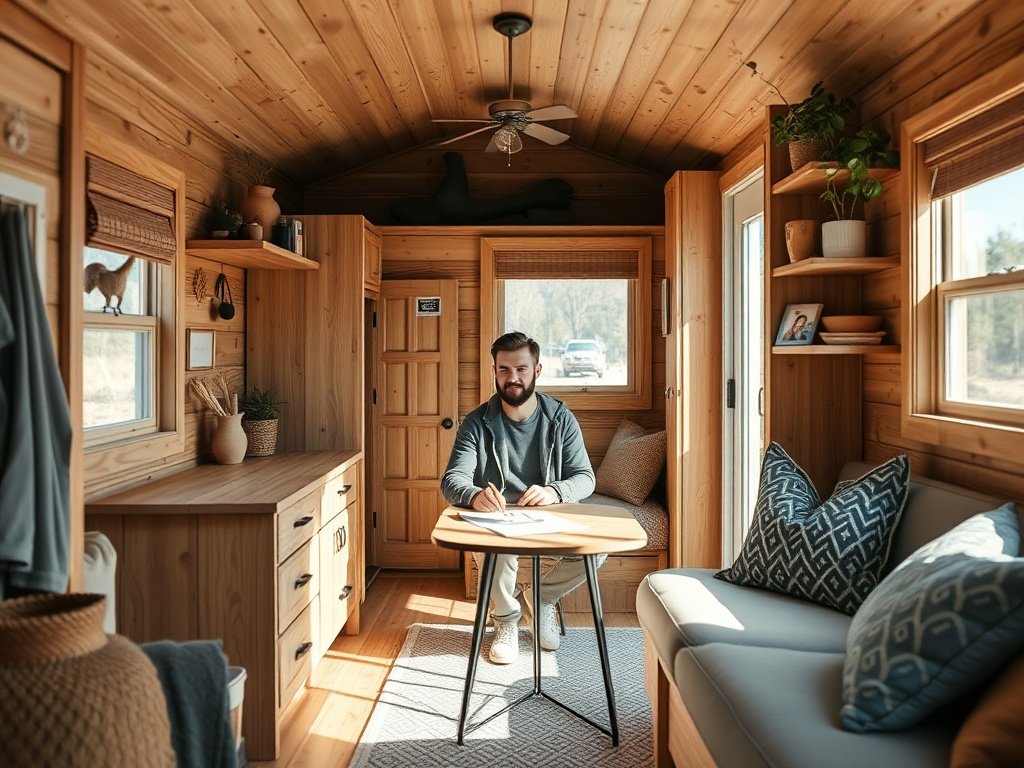
What changes when you have a real roadmap
From overwhelmed dreamer to calmer first-time builder
The biggest win is mental clarity. When the process is laid out in order, you stop spinning on every decision and start making steady progress with less stress.
Proof: This guide is priced at $19.99, so even one avoided mistake or unnecessary material purchase could justify the cost.
From scattered tabs to one focused reference
Instead of jumping between blogs, videos, and forum threads, you get one guide built for a specific camper-style tiny house project. That can save time, reduce confusion, and help you keep your build organized.
Proof: It’s a niche, step-by-step instruction resource—not a broad “tiny living” overview—so the advice is more likely to stay relevant to your actual build.
From “someday” to a project you can realistically finish
That shift matters because momentum changes everything. When the next step is clear, you’re more likely to keep working, stay motivated, and finish something you can actually use and enjoy.
Proof: The product is designed for hands-on DIY builders, and while it currently has 0 reviews, the value here is in the structured instruction and low entry price—not hype.
❓ Frequently Asked Questions
Is $19.99 really worth it for a tiny house guide?
If it helps you avoid even one wrong purchase, one layout mistake, or one rebuild, it can pay for itself quickly. For a niche DIY project, a clear guide is often cheaper than guessing.
How do I know the quality is any good if there are no reviews?
That’s a fair concern. With zero reviews, there’s no crowd signal yet, so the best clue is whether the product is specific: this is aimed at a camper-style tiny house build, not a vague inspiration book.
Do I really need this if I can find free videos online?
You can absolutely piece things together for free. The tradeoff is time and confusion. A structured guide is useful when you want one organized path instead of constantly comparing conflicting advice.
How does this compare to hiring a builder or buying a prefab tiny house?
Hiring a builder is more convenient but usually much more expensive. Prefab is faster, but you give up some control. This guide is for people who want the DIY route and want to understand the build themselves.
What if I change my mind after buying it?
Amazon’s return process gives you a straightforward backup plan. If it’s not the right fit, you can usually send it back within the standard return window instead of getting stuck with it.
🛡️ Amazon’s standard return process gives you a simple way to back out if it isn’t the right fit for your project.
✓ Amazon checkout ✓ Standard returns ✓ Low-cost entry point